How way of life drives foul play on the information superhighway, and the way new “upcode” can give protection to us
Shapiro's e-book arrives just in time for the last gasp of the newest crypto wave, as most important gamers discover themselves trapped in the nets of human associations. In early June, the USA Securities and trade fee went after Binance and Coinbase, the two largest cryptocurrency exchanges in the world, a number of months after charging the infamous Sam Bankman-Fried, founder of the huge crypto trade FTX, with fraud. whereas Shapiro mentions crypto best because the leading means of price in on-line crime, the business's wild experience via finance and culture deserves its own hefty chapter within the narrative of internet fraud.
It may well be too early for deep evaluation, but we do have first-person perspectives on crypto from actor Ben McKenzie (former famous person of the teen drama The O.C.) and streetwear dressmaker and influencer Bobby lots of, the authors of—respectively—convenient cash and NFTs Are a scam/NFTs Are the future. (extra closely mentioned books on the crypto era from tech reporter Zeke fake and large short writer Michael Lewis are in the works.)
"If we're committing serious crimes like fraud, it's crucially critical that we find how to justify our behavior to others, and crucially, to ourselves."
Ben McKenzie, former famous person of The O.C.McKenzie testified at the Senate Banking Committee's hearing on FTX that he believes the cryptocurrency trade "represents the largest Ponzi scheme in background," and easy cash traces his own adventure from bored pandemic dabbler to committed crypto critic alongside the business's upward thrust and fall. a whole bunch additionally writes a chronological account of his time in crypto—principally in nonfungible tokens, or NFTs, digital representational objects that he has purchased, offered, and "dropped" on his personal and through The lots of, a "community-based streetwear manufacturer and media enterprise." For a whole lot, NFTs have value as cultural artifacts, and he's not satisfied that their time should still be over (youngsters he acknowledges that between 2019 and the writing of his ebook, greater than $one hundred million price of NFTs were stolen, often via phishing scams). "even if or not NFTs are a rip-off poses a philosophical query that wanders into ethical judgments and cultural practices around free enterprise, mercantilism, and materialism," he writes.
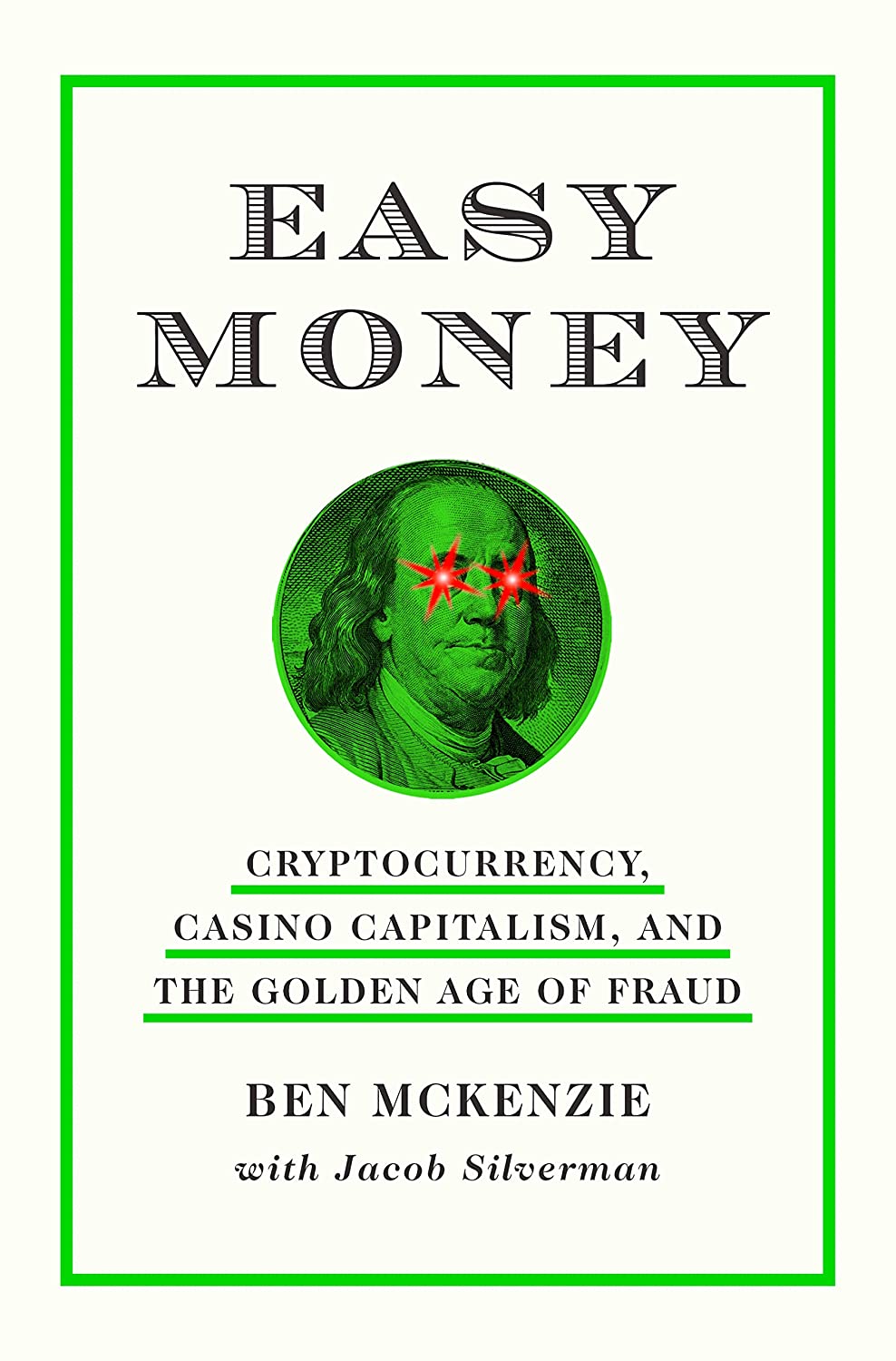
ABRAMS, 2023
For all their adjustments (a lawyer, an actor, and a designer walk right into a bar …), Shapiro, McKenzie, and lots of all discover characters, motivations, and social dynamics tons greater than they do technical innovations. on-line crime is a human story, these books jointly argue, and explanations of why it happens, why it really works, and how we are able to reside safe are human too.
To articulate how internet crime involves be, Shapiro presents a new paradigm for the connection between humanity and technology. He relabels technical laptop code "downcode" and calls every thing human surrounding and riding it "upcode." From "the internal operations of the human mind" to "the outer social, political, and institutional forces that outline the world," upcode is the teeming ecosystem of people and human systems in the back of the curtain of expertise. Shapiro argues that upcode is answerable for all of technology's influences—effective and negative—and downcode is barely its product. Technical equipment like the blockchain, firewalls, or two-ingredient authentication can be implemented as efforts to be sure safety on-line, however they can't tackle the root motives upstream. For any technologist or crypto enthusiast who believes computing device code to be law and sees human error as an stressful hiccup, this theory can be disconcerting. however crime starts off and ends with humans, Shapiro argues, so upcode is where we need to focus each our blame for the issue and our efforts to increase online defense.
McKenzie and lots of contend with crypto and NFTS nearly utterly at the upcode level: neither has working towards in computer science, and each investigate the trade through very own lenses. For McKenzie, it's the financial realm, where pals inspired him to put money into tokens to compensate for being out of work right through the pandemic. For tons of, it's the art world, which has historically been inaccessible to most and inhospitable for many—and is what led him to gravitate toward streetwear as a creative outlet within the first area. hundreds noticed NFTs as a signal of a bigger wonderful shift toward Web3, a nebulous vision of a greater democratized type of the information superhighway where inventive people may receives a commission for their work and construct communities of lovers and artists with out counting on tech companies. The enchantment of Web3 and NFTs is based mostly in cultural and economic realities; likewise, on-line scams occur as a result of buggy upcode—like social injustice, runaway capitalism, and company monopolies—creates the circumstances.
constructing downcode guardrails to enable in just "first rate" intentions won't solve online crime because unhealthy acts don't seem to be so with ease disregarded as the work of bad actors. The people who perpetrate scams, fraud, and hacks—and even take part in the methods round it, like speculative markets—commonly subscribe to a moral rubric as they act illegally. In Fancy bear, Shapiro cites the seminal research of Sarah Gordon, the first to investigate the psychology of americans who wrote computing device viruses when this malware first popped up in the Nineties. Of the 64 respondents to her world survey, all but one had developmentally acceptable ethical reasoning in line with ethics, according to a framework created through the psychologist Lawrence Kohlberg: it is, these virus writers made selections in keeping with a way of right and incorrect. more recent analysis from Alice Hutchings, the director of the tuition of Cambridge's Cybercrime Centre, also discovered hackers as a gaggle to be "moral agents, possessing a sense of justice, aim, and identity." Many hackers discover neighborhood in their work; others, like Edward Snowden, who leaked labeled assistance from the us countrywide safety agency in 2013, go prison boundaries for what they agree with to be expressly ethical explanations. Bitcoin, meanwhile, can be a conventional agent of crime however changed into definitely created to offer a "trustless" method to steer clear of relying on banks after the housing crisis and executive bailouts of the 2000s left many wondering if usual monetary institutions may be relied on with consumer pursuits. The definition of crime is also upcode, formed by using social contracts as well as legal ones.
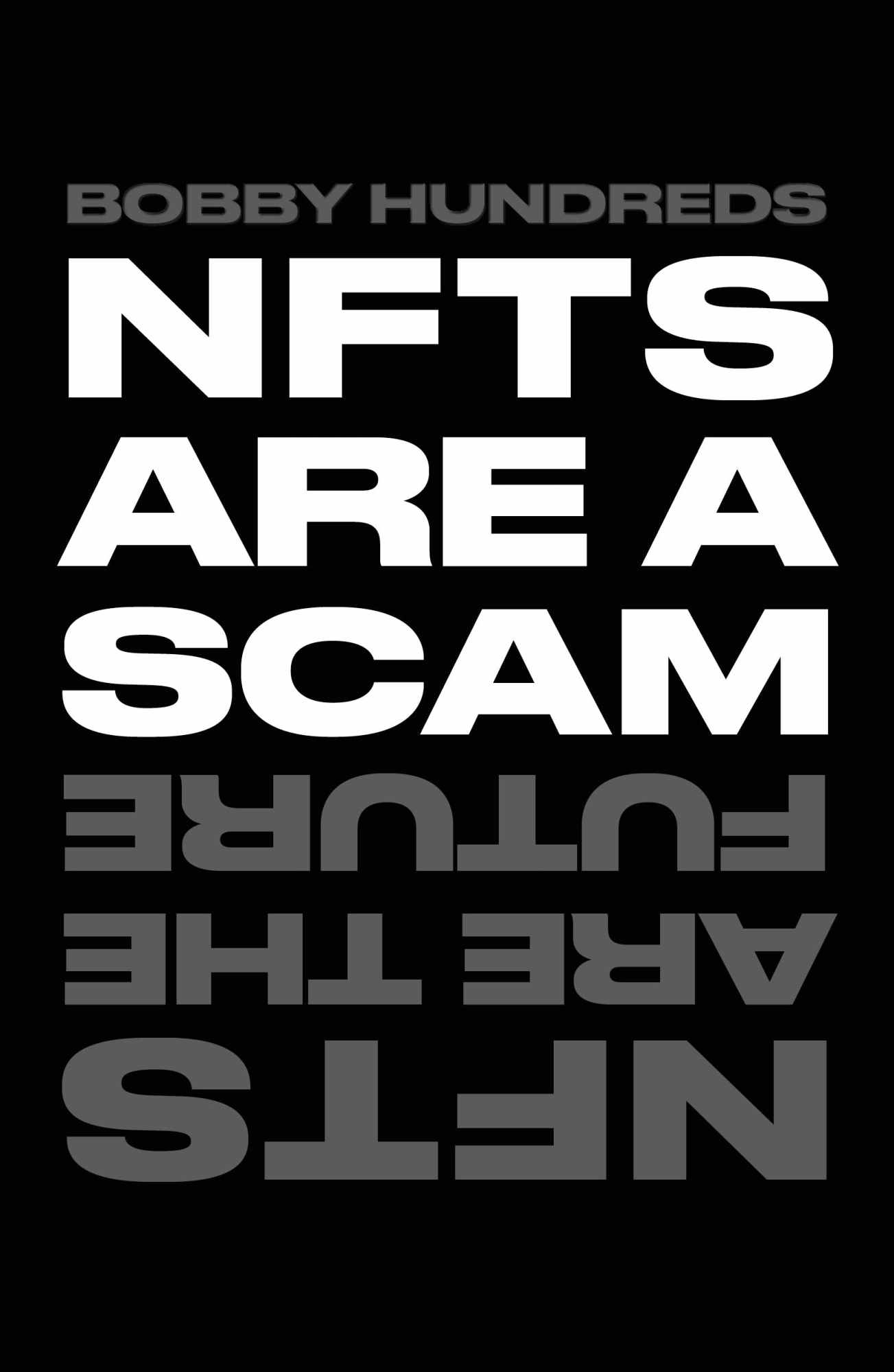
MCD, 2023
In NFTs Are a rip-off/NFTs Are the longer term, a whole lot interviews the fashionable tech investor and public speaker Gary Vaynerchuk, or "Gary Vee," a determine he calls the "face of NFTs." It was Vee's "zeal and perception" that convinced hundreds to create his own NFT collection, Adam Bomb Squad. Vee tells a whole lot that critics "can be right" once they name NFTs a scam. however while some initiatives may be opportunistic rackets, he hopes the work he makes is the diversity that endures. Vee might be lying right here, but at face value, he professes a belief in a more advantageous first rate that he and everyone he recruits (together with the heaps of attendees at his NFT conference) can assist build—even though there's hurt alongside the way.


No comments